
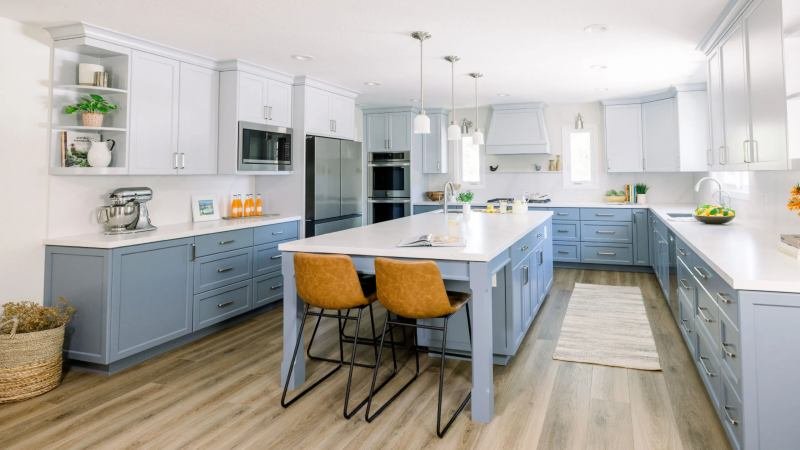
Kitchen Renovation Planning: The Decisions That Determine the Outcome
Kitchen renovations are consistently among the most anticipated and most stressful home improvement projects homeowners undertake. The anticipation is understandable: a well-designed kitchen improves daily life in visible, practical ways that almost every other renovation cannot match. The stress is equally understandable: kitchens are complex spaces with intersecting systems, significant material costs, and a timeline during which the household is without one of its most essential functions.
For homeowners planning Toronto kitchen renovations, the single most important factor in whether the project delivers what it promises is the quality of the planning done before any demolition begins. This post covers the decisions that have the greatest impact on outcome, organized by the sequence in which they need to be made.
Start With How You Actually Use the Kitchen
The best kitchen renovations are designed around how the household actually uses the space, not around how kitchens look in design publications. Before engaging a designer or contractor, spend a few weeks paying deliberate attention to your current kitchen. Where do you prep? Where do you wish you had more counter space? Is storage the primary problem, or is it flow between the refrigerator, sink, and cooking zone? How many people are regularly in the kitchen simultaneously?
These observations sound mundane, but they are the raw material from which a genuinely functional kitchen design is built. A kitchen designed around the workflow of the specific household using it will serve that household better over years of daily use than one designed to maximize visual impact in photographs. Both can coexist, but the functional brief should come first.
Layout: The Decision You Cannot Easily Change Later
Of all the decisions in a kitchen renovation, the layout has the greatest long-term impact and the highest cost to change after the fact. Homeowners can move plumbing, relocate the range hood duct, shift an island, or reconfigure major appliances during or after a project, but these changes cost far more than making the right decisions before opening the walls.
The standard layout options, galley, L-shaped, U-shaped, and open-plan with an island, each have specific functional profiles that suit different household sizes, kitchen dimensions, and use patterns. A kitchen designer or experienced contractor can help you understand the tradeoffs in the context of your specific space, but arriving at that conversation with a clear understanding of what your current layout does and does not do well gives you a much more productive starting point.
Cabinetry: Where Most of the Budget Goes
Cabinetry typically represents the largest single line item in a kitchen renovation budget, and the range of options at every price point is wide enough to cause genuine confusion. The key variables are box construction material and method, door material and style, hardware quality, and the degree to which the cabinetry is custom, semi-custom, or stock.
Stock cabinetry offers the lowest cost and the shortest lead time, but limits you to standard dimensions that may not optimize your specific space. Custom cabinetry maximizes the use of your space and allows complete design flexibility, but at a cost and lead time premium that is significant. Semi-custom, which offers standard box sizes with a wider range of door styles, finishes, and organizational accessories, is the practical choice for many renovation budgets and delivers a better result than stock when designed thoughtfully.
Countertops, Backsplash, and the Material Hierarchy
The countertop serves as the most heavily used surface in the kitchen, so homeowners should choose a material that balances aesthetic goals with the practical demands of daily use. Engineered quartz is the dominant choice in Toronto kitchens for good reason: it is non-porous, highly durable, consistent in appearance, and available in a range of colours and patterns that approximate the look of natural stone without its maintenance requirements. Natural stone, particularly quartzite and marble, offers visual distinctiveness that quartz cannot fully replicate, but requires sealing and is susceptible to staining and etching under typical kitchen conditions.
The backsplash is the design opportunity with the most flexibility in the material hierarchy because its functional requirements are lower than the countertop’s. Ceramic and porcelain tile offer exceptional durability and an enormous range of design options. Slab backsplashes in the same material as the countertop create a clean, unified look that is popular in contemporary designs and easier to maintain than grouted tile.
Managing the Project Timeline
Kitchen renovations in Toronto typically take four to eight weeks from demolition to completion, with significant variability depending on the complexity of the work, the need for trades coordination, and the lead times on specified materials. The most common cause of delays is material lead time, particularly custom cabinetry, which can run 8 to 14 weeks from order to delivery. Ordering materials before demolition begins, rather than after, is the most effective way to minimize the time your household is without a functional kitchen.
Establish a temporary kitchen setup before demolition begins, even a modest one with a microwave, toaster oven, and access to a bathroom sink.How well a household plans the transition period largely determines whether a renovation causes minor inconvenience or serious disruption.A good contractor will help you think through this; a great one will insist on it.