
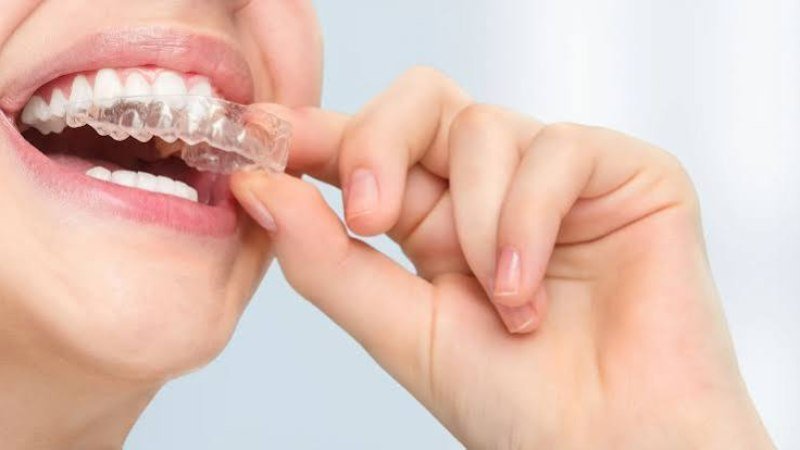
Clear Aligners in a Busy Family Routine
Clear aligners may look simple, but the daily routine can feel different once it meets breakfast, work, school runs, family commitments, and last-minute changes. The aim is not to create a perfect schedule all at once or make the whole household responsible for treatment. It is to connect a few small tasks to things that already happen each day, even when several people need your attention. Your dentist or orthodontist should provide the clinical instructions, while a practical home system can make those instructions easier to remember during ordinary, unpredictable family life.
Start With a Routine That Fits Real Life
The best routine begins with what already happens every day. A family schedule is easier to manage when you choose one main priority and build the day around it instead of trying to optimize every hour. Identify two or three dependable moments, such as morning brushing, lunch, arriving home, or the evening kitchen cleanup.
Assign one aligner task to each moment so you have fewer decisions to make. Morning brushing might prompt a quick check of the case, while cleaning up after dinner can lead into the evening care routine. The most sustainable daily steps are small enough to become a habit without adding more stress. A straightforward set of anchors could include:
- Brush and follow the prescribed morning care instructions
- Replace the trays promptly after meals
- Check for the case before leaving home
- Complete the approved cleaning routine before bed
Try the system for several days before adding more reminders or supplies. If one step repeatedly falls apart, change that step instead of rebuilding everything. The routine should support the wear and care instructions from your treating provider, not replace them.
Plan Meals Around Daily Wear Time
Meals create the most reliable rhythm for removing and replacing aligners. Because clear aligner treatment can take roughly four to 18 months or more, depending on the case and consistent wear, it helps to build a routine that can survive busy weeks. The routine needs to work on weekdays, weekends, and holidays.
Think of meals as natural bookends for aligner care. Because clear aligners are generally worn except during meals and drinks other than water, meal timing is one of the easiest places to anchor the routine. Meals do not need to happen at identical times. Decide how removal, storage, and replacement will work before everyone is hungry.
For lunch away from home, use a phone reminder or visual cue. Keeping the case beside a lunch bag, wallet, or keys can prevent it being overlooked. If the aligners stay out longer than intended, return to your instructions rather than inventing a catch-up schedule.
Water is usually the simplest drink while aligners are in, but personal instructions may vary. Ask your provider how to handle medication, long events, or other situations that do not fit the normal meal routine.
Keep Cleaning and Storage Simple
A small care kit prevents cleaning from becoming another major task. Long-term self-care is often easier when you keep a care routine simple and adjust it when circumstances change. Begin with the cleaning method and supplies approved by your dentist or orthodontist instead of collecting every product advertised for aligners.
Keep the approved items together in an easy-to-reach place. A basic setup might include a separate toothbrush, cleaning product, and clean place for the case to dry. Scattered supplies make even a short process inconvenient. Together, they are easier to use and replace.
Use the case whenever the trays are out of your mouth. Aligners wrapped in a napkin can be thrown away, while loose trays in a pocket or bag may be damaged. If you often eat away from home, keep a second basic care kit in a work bag or family travel bag.
Contact the treating office if an aligner is damaged, no longer seems to fit, or develops a persistent problem. Home remedies can affect the material or interfere with the plan, so ask before trying an unapproved cleaning or reshaping method.
Prepare for Travel and Disrupted Days
Busy days need a recovery plan, not an expectation of perfection. Since clear aligners usually need 20 to 22 hours of daily wear, a simple remove, rinse, and replace pattern can be more useful than relying on memory. When travel, a school event, a late meeting, or a family emergency interrupts that pattern, return to the prescribed schedule and ask for guidance if you are unsure.
Pack aligner supplies with toiletries. Before leaving, check that the kit contains:
- The aligner case
- Provider-approved cleaning supplies
- The current aligners
- A written or saved copy of the schedule
- Contact details for the treating office
Only carry or change to another set of trays according to the instructions you received. If travel overlaps with an appointment or planned tray change, confirm the arrangement beforehand rather than deciding on the road.
Choose one reminder system that works without making another family member the aligner monitor. A calendar alert, note inside the lunch bag, or case beside the toiletries may be enough. Support from the household can be helpful, but responsibility for every reminder should not become a new source of tension.
Use Check-Ins to Adjust the Plan
Professional check-ins help separate routine problems from treatment questions. Your provider can assess progress, fit, oral health, and concerns that cannot be evaluated through a household system. A routine may help you follow directions, but it cannot determine whether teeth are moving as intended. Keep appointments and contact the office when something feels different from what you were told to expect.
Before a check-in, write down any pattern that has been difficult to manage. This might include forgotten replacements after lunch, trouble cleaning while away from home, discomfort, or a tray that does not seem to seat correctly. Honest notes give the provider better information and are more useful than trying to present a flawless month.
Ask whether a practical adjustment can still follow the treatment plan. The provider may clarify reminders or travel preparation. Changes to wear time, tray progression, or appointments should come from the treating dentist or orthodontist. Do not make clinical changes for convenience.
The best routine makes prescribed steps easier to repeat. It also makes recurring problems easier to identify and discuss before they become a source of frustration.
Aim for Consistency, Not a Perfect Schedule
Connect aligner tasks to routines that already exist, and use meals, a simple care kit, and one reminder system as dependable anchors. Prepare for disrupted days so you can calmly return to the prescribed plan without trying to compensate on your own. Bring recurring problems and questions to the treating provider. The most useful household system is not the most elaborate one; it is the one that makes professional instructions easier to follow week after week across ordinary, imperfect family life.