What Roofing Materials Hold Up Best in Coastal Climates?
When choosing a roofing material for your home there are many things to consider. For the coastal homeowner the two biggest factors to consider would be the effects of salt air and the sun on the chosen material. For this reason many property owners opt for metal roofing. Of the many different types of metal roofing systems available on the market today the most popular among coastal construction is without a doubt the standing seam metal roofing system.
Many different factors come into play for coastal property owners that do not affect inland property owners.While many coastal properties have unique architectural features and unique structures may cost more to build initially, builders must also design coastal structures to withstand salt air, intense UV exposure, and severe weather conditions, including hurricanes.
Metal roofing: the workhorse that works
When choosing between metal roofing and tile roofing systems for your coastal home, there are several factors to consider to pick the best choice for you and your home’s budget.For coastal structures, including homes, builders generally prefer two roofing systems. Among the roofing options available for coastal construction, builders most commonly choose these two systems.For these two preferred types of roofing systems for coastal structures, the preferred type of roofing system for coastal homes and structures are Metal roofing and tile roofing systems. When it comes to Metal roofing, the preferred type of Metal roofing system is the Standing seam metal roofing systems. Many homeowners prefer this type of roofing system because it can withstand the corrosive effects of salt air in coastal environments. When choosing a metal or tile roofing system, homeowners can select from several different roofing options. Manufacturers produce these roofing systems from a variety of materials.
Aluminum roofing forms a natural layer of protection on the surface of the metal through oxidation. As the aluminum begins to oxidize, the protective layer strengthens over time. If the aluminum is scratched or damaged in any way, the protective layer can be compromised. However, the aluminum can continue to oxidize to form a protective layer once again. However, steel roofing requires a bit more maintenance and protection from the elements in order to prevent corrosion. Galvanized steel is a cost-effective option for roofing; however, it does not perform as well in harsh marine environments as higher quality paint systems. There is a large price difference between a premium coating and a cheaper alternative. However, in the long run, it will save you a lot of money by not having to replace your roofing for decades.
Whether your chosen metal is of high quality or not is of little importance when it comes to installation. If the roof is not properly fastened, does not have the proper drainage, does not account for thermal expansion, then the roof will fail in short order. And when a metal roof fails it can cause quite a bit of damage in the form of a flood of salt laden water. In the worst case scenario this type of water can accelerate the metal’s corrosion to a degree that would normally take years to develop on a properly installed roof.
Most systems are designed to handle high winds by being secured down with screws to the deck. However, the method of attachment of the roof covering to the roof deck is a critical component to withstand high winds. For metal roofing, the interlocking seams of the standing seam type of metal roofing system allows the roof to transfer loads across the roof in a uniform manner. While structural collapse can occur in extreme cases of high wind due to include poorly designed buildings with small rafters, the roof covering can withstand high wind loads. Typically Category 2 hurricanes are not a problem for well-designed and well-installed standing seam metal roofing systems.
Tile systems: proven but particular
Roof covering options abound but few are as well suited to handling the effects of salt air, intense UV radiation, and extreme wind loads as roof tile systems. By choosing the right sort of roof tile and installing it correctly a home’s roof can last for centuries.
When selecting tiles for coastal homes, the clay tile is superior because of the dense and non-porous surface. The tiles are very resistant to salt penetration and wear. Concrete tile can also be used for coastal homes, but the quality of the materials used and how the tile was made is very important. Close inspection of the manufacturing process is crucial to getting a high quality tile that will last for many years.
Tile roofs can be very heavy and have significant weight to them. A properly installed tile roof can weigh 3–4 times as much as a comparable asphalt shingle roof or metal roof. Because tile roofs carry significant weight, architects, engineers, and builders must take many design considerations into account when constructing a building of any size.Not only can the added weight of a tile roof cause significant stresses within the roof itself during high winds, but it can also transfer these additional stresses to the ceiling of the building and even the walls of the building. This highlights the importance of designing the roof structure to withstand the additional weight of a tile roof.
Modified bitumen and TPO: flat roof realities
Manufacturers design modified bitumen roofing systems with a mineral surface for low-pitch roofs. These systems can withstand exposure to salt air and the sun’s UV rays.In addition to these qualities, modified bitumen roofing systems can withstand a variety of weather conditions including heavy rain and high winds. TPO roofing systems are also able to withstand roofs with low pitches as well as roofs that are exposed to salt air and to UV rays. While TPO roofing systems are able to withstand all of these conditions, they are more expensive than modified bitumen roofing systems for the initial cost of the system.
Roofing professionals must install both modified bitumen membranes and TPO systems properly, and property owners must maintain them regularly. The seams are the weakest points of these roofing systems, and on a flat roof, the seams wear out much faster than they do on a pitched roof.Because of the coastal climate the wear and tear on the seams of a roof on a house in a coastal area will be much higher than on a house in a non-coastal area.
Many homeowners can benefit when roofing contractors re-cover a quality roof with the proper material for their home.If you reside in the Virginia Beach area and are looking for quality roofing contractors for coastal roofing Virginia Beach, there are many great contractors that would be happy to recommend the proper roofing material.
What doesn’t work
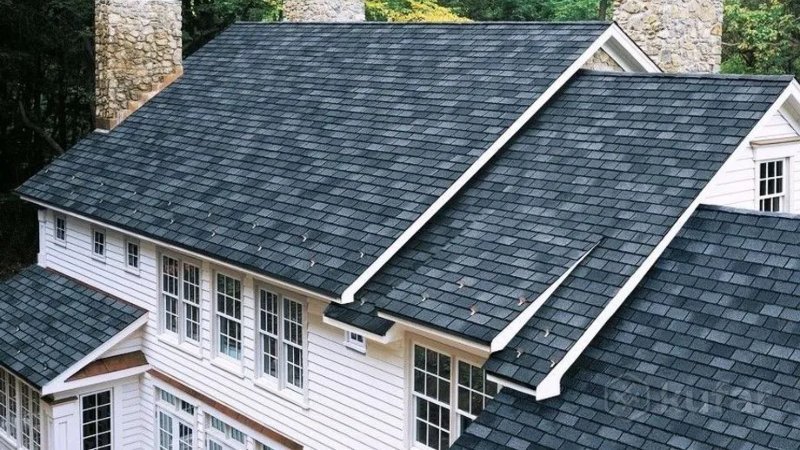
Standard asphalt shingles struggle in coastal conditions.
In addition to normal weathering, roofing materials in a coastal location can experience problems due to other weather conditions. For example, the sun’s rays can reflect off of the water and cause more deterioration of roofing materials that are sensitive to UV. This can be exacerbated by the presence of salt spray in the air. For example, the granules on an asphalt shingle roofing can provide some protection from weathering, but the salt in the air can penetrate through the granules and cause the asphalt to break down faster. As previously stated, many roofing materials can experience problems and deteriorate in a shorter amount of time in a coastal location, but some types of roofing are worse than others. For example, roofing professionals typically do not recommend asphalt shingles for coastal locations because they can deteriorate prematurely.In addition, wood shingle and shake roofing can also present problems in a coastal location due to the amount of maintenance that they require to repel salt in the air. Although some types of wood are better than others for use in coastal locations due to naturally occurring preservatives, such as Western Red Cedar, they can still present problems for homeowners.
Making the choice
Contractors choose roofing materials for coastal homes by considering the microclimate of a specific property and the broader coastal climate. A home on the water is different from homes a mile inland.
When it comes to budgeting, it is best to set aside funds for the entire roofing system. The underlayment, ridge cap, flashing, paint, and finish coat all have to be of quality construction in order to give a roof the longest life possible. Many times the underlayment, ridge cap, flashing, paint, and finish coat will cost more than the roofing material itself.
In summary, a variety of factors will determine the best roofing option for your coastal home.The most important consideration will be the ability of your home to hold up to the roofing system you choose. Other considerations are the local wind load, and how much work you are willing to do to maintain your roof.Homeowners and contractors have used most roofing materials in coastal homes for many years.Some are better than others in regards to durability and maintenance.