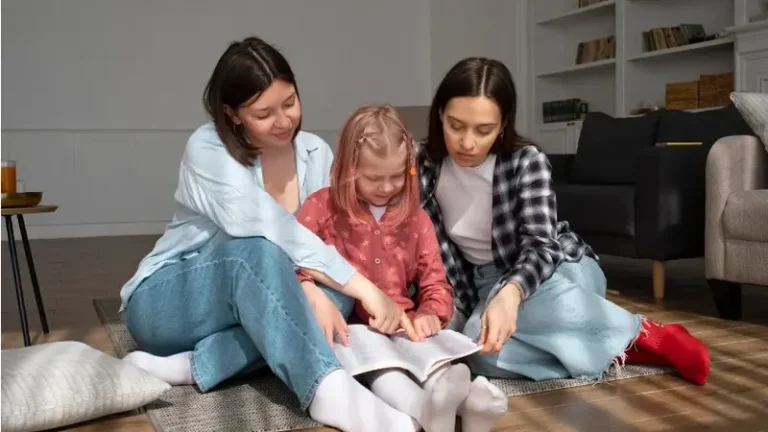

What Is Positive Parenting and How Can It Transform Family Dynamics?
Introduction
Parenting today often feels overwhelming. Many families struggle with power struggles, emotional outbursts, and constant stress at home. Positive parenting offers a research-backed approach that helps parents guide behavior while strengthening emotional bonds. Instead of punishment and control, it focuses on connection, empathy, and skill-building that support healthier family dynamics over time.
What Is Positive Parenting?
Positive parenting is a child-rearing approach that emphasizes respect, emotional understanding, and consistent guidance rather than fear or punishment. It is grounded in developmental psychology and focuses on teaching children life skills instead of enforcing obedience.
At its core, positive parenting recognizes that children behave based on unmet needs, developmental stages, and emotional regulation skills that are still forming. Parents act as guides and role models, helping children learn appropriate behavior through calm leadership.
Unlike permissive parenting, positive parenting still includes boundaries and expectations. The difference lies in how those limits are enforced. Discipline becomes about learning, not control or shame.
This approach has been supported by organizations such as the American Psychological Association, which highlights the long-term benefits of supportive and responsive parenting practices.
Key Takeaway
Positive parenting combines empathy, structure, and respect to help children grow emotionally while strengthening the parent-child relationship.
Core Principles of Positive Parenting
Positive parenting is built on several foundational principles that work together to create a healthier family environment.
Mutual Respect
Children are treated as individuals with thoughts and emotions that matter. Respect does not remove parental authority, but it replaces fear with trust.
Clear and Consistent Boundaries
Rules are predictable and age-appropriate. Consistency helps children feel safe and understand expectations without confusion.
Emotional Coaching
Parents help children identify, name, and manage emotions instead of suppressing them. Emotional literacy reduces behavioral challenges over time.
Focus on Solutions, Not Punishment
Instead of asking, “How do I stop this behavior?” parents ask, “What skill is missing here?”
Key Takeaway
Positive parenting works because it balances warmth with structure, helping children feel secure while learning responsibility.
How Positive Parenting Transforms Family Dynamics
When parents shift their approach, the entire family dynamic changes. Communication improves, conflict decreases, and emotional safety increases.
Children who feel heard are more cooperative. Parents who respond calmly feel more confident and less reactive. Over time, households move from constant correction to collaboration.
Positive parenting also reduces power struggles. When children understand the “why” behind rules, resistance often fades. Parents stop feeling like enforcers and start feeling like leaders.
Research published by the Centers for Disease Control and Prevention shows that supportive parenting lowers the risk of behavioral issues and improves long-term mental health outcomes.
Key Takeaway
Positive parenting reshapes family life by reducing conflict and building trust-driven cooperation.
Positive Discipline vs Traditional Punishment
Traditional discipline often relies on punishment, fear, or rewards to control behavior. While this may work short-term, it rarely teaches long-term skills.
Positive discipline focuses on learning moments. A child who spills juice is taught how to clean up. A child who hits is guided toward expressing anger safely.
Punishment asks, “What consequence fits the behavior?”
Positive discipline asks, “What lesson does my child need right now?”
This shift helps children develop accountability without shame. It also preserves the emotional bond between parent and child.
Key Takeaway
Positive discipline teaches responsibility through guidance instead of fear, leading to better long-term behavior.
Practical Examples of Positive Parenting in Daily Life
Positive parenting is not theoretical. It works in everyday situations.
Tantrums in Public
Instead of threats, parents acknowledge feelings and offer calm support. “You are frustrated. I am here. Let’s breathe.”
Homework Resistance
Parents collaborate on routines and breaks instead of forcing compliance.
Sibling Conflict
Children are coached to solve problems rather than punished for arguing.
Many parents also use visual storytelling tools to help children understand emotions and routines. For example, simple animated explanations created with a free online animation maker can help younger kids grasp concepts like sharing, bedtime routines, or calming strategies without pressure.
Key Takeaway
Daily moments become teaching opportunities when parents focus on connection and clarity.
The Role of Emotional Intelligence in Positive Parenting
Emotional intelligence is the ability to recognize, understand, and manage emotions. Positive parenting actively builds this skill.
Children learn emotional regulation by watching adults. When parents remain calm during conflict, children absorb those responses.
Naming emotions such as anger, sadness, or excitement helps children feel understood. This reduces emotional outbursts over time.
According to research from Harvard University’s Center on the Developing Child, emotional regulation skills developed early in life strongly influence long-term success and mental health.
Key Takeaway
Emotionally intelligent parenting equips children with lifelong coping skills.
Benefits of Positive Parenting for Parents
Positive parenting does not only help children. It transforms the parenting experience itself.
Parents report reduced stress, improved confidence, and fewer power struggles. Instead of constant correction, there is collaboration.
This approach also supports parental mental health. When parents stop reacting from frustration and start responding with intention, burnout decreases.
Positive parenting encourages self-reflection and growth, helping parents break cycles they may have experienced in their own childhoods.
Key Takeaway
Positive parenting supports parental well-being by reducing stress and increasing confidence.
Common Myths About Positive Parenting
Many parents hesitate to try positive parenting due to misconceptions.
Myth: It means no discipline
Reality: Boundaries are essential and clearly enforced.
Myth: Kids will become spoiled
Reality: Children raised with respect often develop stronger self-control.
Myth: It takes too much time
Reality: While it requires patience upfront, it saves time by reducing repeated conflicts.
Understanding these myths helps families commit to long-term change without fear.
Key Takeaway
Positive parenting is structured and effective, not permissive or indulgent.
How to Start Practicing Positive Parenting Today
You do not need to overhaul everything at once. Small changes matter.
- Pause before reacting
- Acknowledge feelings first
- Set clear expectations calmly
- Focus on teaching, not punishing
- Reflect on your own emotional triggers
Progress matters more than perfection. Even one positive interaction can shift a relationship.
Key Takeaway
Small, consistent changes create meaningful transformation over time.
Frequently Asked Questions About Positive Parenting
Is positive parenting suitable for all ages?
Yes. The principles apply from toddlers to teens, with age-appropriate strategies.
Summary
Positive parenting adapts to every developmental stage.
Does positive parenting work for strong-willed children?
Absolutely. Strong-willed children often thrive when given respectful boundaries and emotional guidance.
Summary
Positive parenting supports independence while maintaining structure.
How long does it take to see results?
Some changes appear quickly, while deeper behavioral shifts take time and consistency.
Summary
Consistency leads to lasting results.
Can positive parenting reduce tantrums?
Yes. Emotional coaching and predictability significantly reduce emotional outbursts.
Summary
Understanding emotions lowers tantrum frequency.
Conclusion
Positive parenting is not about perfection. It is about connection, clarity, and emotional growth for both children and parents. By focusing on respect, emotional intelligence, and consistent guidance, families can transform daily struggles into opportunities for learning and trust.
Final Summary
Positive parenting strengthens family dynamics by replacing fear-based discipline with empathy, structure, and lifelong emotional skills.