17 Foods to Avoid While Breastfeeding: A Comprehensive and Informative Guide for New and Nursing Parents
Breastfeeding is a child’s greatest source of nutrition and immune support for your little one. Which naturally makes parents wonder whether or how their diet possibly affects their breast milk. Common foods are considered okay and safe to consume even while breastfeeding, but certain foods can cause discomfort in your child’s tummy and even to the point where it affects milk production. The knowledge of the 17 foods to avoid while breastfeeding can help parents make decisions coming from an informed stand and point of view while still keeping a balanced and enjoyable diet.
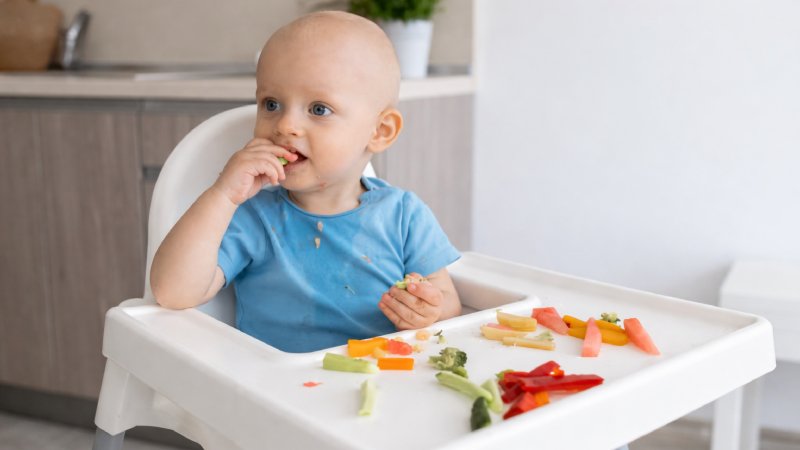
Babies grow more engaged with family routines when they get used to having their meals alongside their family. Having dinner with the family, sitting in their baby high chair, watching everyone, interacting, and learning all about the variety of foods. These are also those moments when you’ll get to thinking about the 17 foods to avoid while breastfeeding and may instinctively check on your plate. Although most concerns are usually manageable with moderation, there are some foods that deserve extra attention while still on the nursing period.
High-Mercury Fish and Their Impact on Infant Development
Fish is a great source of protein and omega-3 fatty acids, but there are types of fish that could contain high levels of mercury and mercury exposure can affect a child’s developing nervous system.
Fishes that should be limited or avoided while breastfeeding include,
- Shark
- Swordfish
- King Mackerel
- Tilefish
- Big eye tuna
You can opt for low-mercury options like,
- Salmon
- Sardines
- Pollock
- Tilapia
- Cod
When we’re talking about the 17 foods to avoid while breastfeeding, these high-mercury fish are the top most recognised concerns since mercury can get into and stay in the breast milk.
Managing Caffeine Intake to Avoid Baby Restlessness
Caffeine is one of the common parts of a person’s diet but it can easily get into the breastmilk even in small amounts. Even if there are only small traces, some sensitive babies can get affected easily. So, larger amounts of caffeine can usually lead to,
- Restlessness
- Difficulty in settling down
- Irritability
If you’re not aware, the common sources of caffeine include,
- Coffee
- Tea
- Energy drinks
- Chocolate
- Soda
Most experts may recommend limiting caffeine intake to the range of 200 – 300 mg per day, to visualize this is about one to two cups of coffee. Within the 17 foods to avoid while breastfeeding, caffeine isn’t something that is required to be totally removed from your diet, but it is something that should be taken in moderation.
The Connection Between Strong Spices and Baby’s Digestive Comfort
The breastmilk’s flavor can get altered with such strong spices like chili peppers, curry blends, and heavily seasoned foods. Although many babies may tolerate these flavors well, there are others that can show signs of discomfort that appears as,
- Gas
- Fussiness
- Refusal to feed temporarily
But spices don’t actually be needed to be removed from your diet, it will only apply if your baby appears sensitive to them. Consider laying off the spicy meals while breastfeeding if this applies to you.
How Peppermint and Sage Might Affect Your Milk Volume
There are certain herbs that are believed to have a great influence on the milk production. Commonly mentioned are sage and peppermint, these herbs when taken in large amounts can significantly decrease milk production.
But if you’re taking them in small amounts or even just as flavoring for foods or tea, it’s usually harmless. Having peppermint tea or sage supplements isn’t advisable as it can potentially lower your production. Now, when you’re having worries about your supply and milk production, these are quite commonly talked about amongst 17 foods to avoid while breastfeeding.
Identifying Potential Dairy Sensitivities in Your Breastfeeding Diet
The protein in a cow’s milk can pass through the breast milk that also causes sensitivities for some babies. Possible symptoms can include,
- Excessive gas
- Skin rashes
- Diarrhea or mucus in stool
- Fussiness during feedings
To rule out any sensitivity to dairy, limiting intake is one good way to go. Although not very many babies are sensitive to dairy, it’s a topic that many people brings up when discussing the 17 foods to avoid while breastfeeding.
The Hidden Risks of Unpasteurized Soft Cheeses and Juices
It’s common knowledge that unpasteurized foods can carry harmful bacteria like Listeria or Salmonella. Foods that can have them include,
- Raw milk cheeses
- Certain imported soft cheeses
- Unpasteurized juices
Although the risk of infants getting them through the breast milk is pretty low, maternal illness could possibly disrupt breastfeeding and overall health. Just to be on the safer side, while breastfeeding, it’s best to stick with pasteurized products in the meantime.
Why You Should Limit Highly Processed Foods and Artificial Sweeteners
The list of additives, preservatives and artificial sweeteners in highly processed foods can be pretty long, and excessive consumption of these foods can often lead to,
- Lower overall nutrient intake
- Increased sodium levels
- Digestive issues for some babies
Artificial sweeteners like aspartame or saccharin are often the topics of debate whether or not it’s safe for breastfeeding mothers. Although having moderate amounts are usually acceptable, limiting heavily processed foods help support the overall health during the breastfeeding period.
Monitoring Gassy Vegetables Like Broccoli and Cabbage for Baby’s Sake
There are certain vegetable that naturally produces gas during the stage of digestion. Common examples include,
- Cabbage
- Broccoli
- Brussels sprouts
- Cauliflower
These are nutritious foods but, in some cases, babies may experience increased gas or fussiness after the parents have consumed them.
With the 17 foods to avoid while breastfeeding, these vegetables are usually monitored rather than eliminated entirely from your diet.
The Debate Over Citrus Fruits and Diaper Rash Sensitivity
Naturally, citrus fruits contains acids that can be a cause of irritation for babies on the sensitive side. We’ll share with you some possible reactions to citrusy fruits,
- Diaper rash
- Milk digestive upset
- Increased fussiness
Fruits that commonly cause these are,
- Grapefruits
- Lemons
- Limes
- Oranges
Not every baby will have the listed reaction to citrus. If you noticed any symptoms after eating some of these fruits, you can temporarily reduce the intake.
Why Chocolate Should Be Consumed in Moderation While Nursing
Sensitive infants can easily be affected by the stimulants, caffeine and theobromine that are commonly found in chocolate. Intake of large amounts of chocolate can lead to,
- Irritability
- Increased wakefulness
- Mild digestive changes
It’s completely harmless in moderate intake, and they’re not really the type of food to be completely avoided. Due to its stimulant properties, chocolate made it to the list of 17 foods to avoid while breastfeeding but overall it’s still pretty safe to consume.
Potential Allergens Like Peanuts and Tree Nuts in a Maternal Diet
Foods that are commonly considered as allergens like peanuts and tree nuts can sometimes cause reactions to breastfed babies. Symptoms usually include,
- Hives
- Skin rashes
- Digestive upset
But according to the current research available, the early exposure of babies to these allergenic foods through the breast milk may actually support the allergy prevention in some cases. But unless your baby shows some of these symptoms, for most experts eliminating nuts isn’t necessary.
Understanding the Effects of Herbal Teas and Supplements
Herbal teas and supplements can sometimes contain some potent compounds that can have an effect to milk production or your child’s health. Food that needs caution include,
- Ginseng
- St. John’s Wort
- Certain detox blends
If you’re worried, not all herbal teas are unsafe, there are others that are beneficial too. What you want to do is take time and research the ingredients of your foods carefully, before trying out new supplements while breastfeeding. Since herbs are not always regulated the same way as medications, they can be included on 17 foods to avoid while breastfeeding.
The Impact of Garlic on the Flavor Profile of Breast Milk
One of the common foods that you can have that significantly alters the taste of breast milk is garlic. What’s interesting is that there is research that suggest that some babies actually feeds longer when they are exposed to garlic flavors. But in some cases, some babies can feel a discomfort so monitoring intake when you see signs of discomfort, is advisable.
Why Raw Shellfish and Sushi Require Extra Caution
Raw seafoods carries potential risks of bacterial or parasitic contamination, some examples of foods include,
- Raw oysters
- Clams
- Sushi made with raw fish
Although the risk of getting in contact with these illnesses from the breast milk itself is minimal, such foodborne illness can affect the parent that leads to dehydration or interruptions in milk supply and breastfeeding. This is why many professionals recommend consuming only seafoods that are fully cooked when you’re on your nursing period.
Limiting Intake of High-Sodium Foods to Maintain Hydration
Foods like canned soup, processed snacks and fast foods can highly contribute to dehydration if you’re eating more than enough and not supplementing on your hydration. Since your milk output relies on the amount of water that you have in your body, this can affect your output. Having balanced intake of sodium can help support your overall milk supply. It’s much better to choose whole, nutrient-rich foods can help maintain healthy milk production especially since you’re breastfeeding.
Foods That Are Common Triggers for Infant Reflux
There are certain kinds of foods that can aggravate reflux especially for sensitive babies like,
- Spicy foods
- Chocolate
- Caffeine
- Highly acidic foods
If you notice that your baby frequently spits up, seems uncomfortable after feedings, or arches their back, you may want to also keep track of your diet to identify the patterns of foods they might be sensitive to. These foods are sometimes found among the 17 foods to avoid while breastfeeding for babies that are prone to reflux.
Conclusion
Usually, most breastfeeding parents enjoys great variety of whole foods without causing their child any problems with nursing or their milk supply. These 17 foods to avoid while breastfeeding guide is not necessarily prohibitions and avoidance but rather a guide to foods that requires attention or moderation.
Paying attention to your child’s behavior, digestion, and overall comfort can be a great help when determining certain foods can affect them. Having a balanced diet with whole foods, getting enough hydration and checking your baby’s responses to variety of food you take will support both you and your little one’s overall wellbeing.