First Weekend in a New Home
Moving can feel exciting, exhausting, and unfamiliar. Your brain may even stay more alert while sleeping somewhere new. Researchers call this the “first-night effect.” So, what matters during the first weekend in a new home? Comfort. Safety. Rest. The house does not need to look finished. It only needs to support daily life. A ready bed helps everyone relax, while simple meals maintain energy. Families already face enough decisions when moving with children. Instead of rushing through every box, create one useful space. Then, pause and consider what everyone needs next.
What Should You Unpack Before Anything Else?
Think about what everyone will need before bedtime. Moving takes considerable energy, so a comfortable place to sleep matters early. Preparing each bed also creates a clear stopping point for the evening. Familiar bedding may help children relax in their new rooms.
One bathroom should be ready for regular use. Place clean towels where everyone can find them. Soap and toilet paper should also be immediately available. Personal care items can remain together until permanent storage becomes clearer. Medicines need a secure location that adults can access without searching.
The kitchen does not require a complete setup yet. A few dishes will cover the first meal. Basic cookware will handle simple breakfasts or dinners.
Keys and paperwork also deserve a permanent place. Choosing one early prevents stressful searching later.
Which Home Safety Checks Should Happen First?
A quick safety walk can help everyone understand the new space. It may also reveal problems hidden behind boxes or packing materials. Professional movers from Spyder Moving and Storage can support moving-day safety, although household checks remain the family’s responsibility. They emphasize clear walkways, secure loading, and careful furniture handling.
A brief safety check can uncover risks before everyday routines begin.
Alt: Smoke detector and home safety devices
Give smoke alarms your attention early. Test each alarm and confirm that sleeping areas have suitable coverage. Carbon monoxide alarms should work properly, too. Children should hear the alarm sound while an adult explains what it means.
Escape routes need enough open space for safe movement. Bedroom doors should open without difficulty. Hallways and stairs should remain free from boxes. Identify 2 possible exits from each sleeping area. The family should also agree on 1 outdoor meeting point.
Outside doors and windows must close securely. Gates and stair railings deserve a quick check as well. Heavy furniture creates another possible risk. Fix dressers and bookcases securely to the wall. Televisions need stable support. Keep toys and other attractive objects away from furniture that children might climb.
How Can Children Feel Comfortable In An Unfamiliar House?
Children can react to a move in very different ways. One child may feel excited. Another may become quieter, clingier, or more emotional. Familiar details often make the transition easier. Their sleeping area deserves attention before shared rooms. Usual bedding can make the room feel less strange. A favorite book or familiar nightlight may also ease bedtime worries.
Children should know where important rooms are located. They also need to know where adults will sleep. New sounds can feel unsettling at night. Heating systems, pipes, and traffic may all sound different.
Small choices can give children a helpful sense of control. They might decide where their books should go. They could also choose a drawer for special belongings. These decisions support confidence and age-appropriate independence without creating pressure. Listening matters just as much as organizing. Missing a previous home does not mean the move was a mistake. It simply means the change still feels new.
Which Familiar Routines Should Families Restart Quickly?
Routines make a new home easier to understand. They give children a clearer sense of what will happen next. Bedtime often provides the easiest starting point. The usual sequence can remain familiar, even inside a different room. Children can wash, change into pajamas, and choose a story. The evening can then end much as it did before the move.
Mealtimes also bring useful structure. They do not need to happen at the exact usual minute. Staying reasonably close to the normal schedule is often enough. These simple and flexible family routines can make busy days feel more manageable. The next morning becomes easier with a little preparation. Shoes can stay near the entrance. Coats and bags need obvious locations. This small amount of planning prevents unnecessary confusion.
Children may also enjoy manageable jobs. Younger children can place toys into a box. Older children might arrange books or clothing. Participation should feel helpful rather than burdensome.
How Can Pets Adjust Safely After Moving?
Pets often need a slower introduction to unfamiliar surroundings. A quiet room gives them a safe place to begin. Make the room feel familiar where possible. Their usual bedding can provide comfort. Keep food and fresh water nearby. Cats may also need a litter tray in the same space. Closing the door during unloading reduces the risk of escape.
Exploration can happen once the house becomes calmer. Some pets will investigate immediately. Others may hide for several hours. Both reactions are common after a move. Familiar routines can reduce stress. Keep feeding times consistent wherever possible. Dogs may benefit from walks at their usual times. Medication schedules should remain unchanged.
Identification details need updating soon after the move. The new address belongs on the pet’s tag. Microchip records should also contain current contact information. Children should give nervous animals more space. A pet may need time before approaching family members or seeking attention.
What Meals Work Best During A Busy Moving Weekend?
Moving days rarely leave much time for cooking. Simple meals are usually the most practical choice. Breakfast might include eggs or oatmeal. Sandwiches work well when unpacking continues through lunchtime. Pasta or soup can provide something warm without requiring a fully organized kitchen.
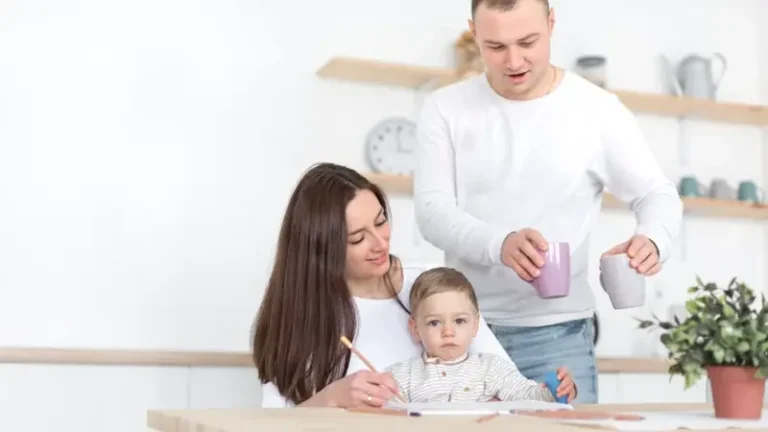
Simple meals help families pause, recharge, and reconnect during the first weekend in a new home.
Alt: Family sharing a simple meal in the kitchen
Drinks should remain easy to find throughout the day. Water matters after lifting, carrying, and unpacking. Familiar snacks can also help children avoid searching through boxes when hunger arrives.
Food safety still deserves attention during a busy weekend. Refrigerated items should stay at 40°F or below. Frozen food should remain at 0°F. Perishable food needs cold storage again within 2 hours. A clear eating surface can make meals feel more settled. Keep it away from tools, boxes, and loose packaging. Takeout can also be a sensible choice. The aim is not impressive cooking. Regular meals and steady energy matter much more.
How Can One Room Become Usable Quickly?
Trying to finish every room can create unnecessary pressure. One comfortable shared area is often far more useful. The living room or kitchen usually works well. Clear floor space helps everyone move safely. Loose packaging should leave the room as soon as possible. Enough seating can then make the space feel ready for family use.
Only immediate needs belong there at first. A lamp can improve a dark corner. A charging point keeps devices easier to manage. A visible clock may also support the family’s routine. These small home features that simplify daily life can be especially helpful after moving.
Everyday belongings should have clear homes. Keys might stay in a bowl near the entrance. Shoes can remain beside the door. Bags and coats also benefit from predictable places. Laundry can go into one basket. Packing waste can go into another container. Later, a short neighborhood walk may reveal safe routes, nearby parks, and useful shops.
What Matters Most During The First Days?
The first weekend in a new home does not need to feel polished. It only needs to feel manageable. Comfort starts with somewhere safe to sleep. Some boxes can remain closed for several days. That does not mean anyone is falling behind. It simply means the family has chosen more useful priorities. A safe home develops through practical choices. Comfort usually follows in small steps, one ordinary day at a time. Click here to see more.