Simple Ways to Use Outdoor Lanterns for a Warmer and More Welcoming Home
Outdoor lighting can make a surprisingly big difference to the way a home feels after sunset. A dark entrance may feel uninviting, a patio can become difficult to use, and pathways that seem perfectly clear during the day may become harder to navigate once evening arrives.
For busy families, the goal does not need to be creating an elaborate landscape lighting system. Sometimes a few well-placed fixtures are enough to make entrances easier to use, outdoor spaces more comfortable, and the entire property feel more welcoming.
Outdoor lanterns are particularly useful because they combine practical illumination with a familiar decorative style. Depending on the design, they can work beside a front door, around a porch, along an exterior wall, near a patio, or as part of a broader garden lighting plan.
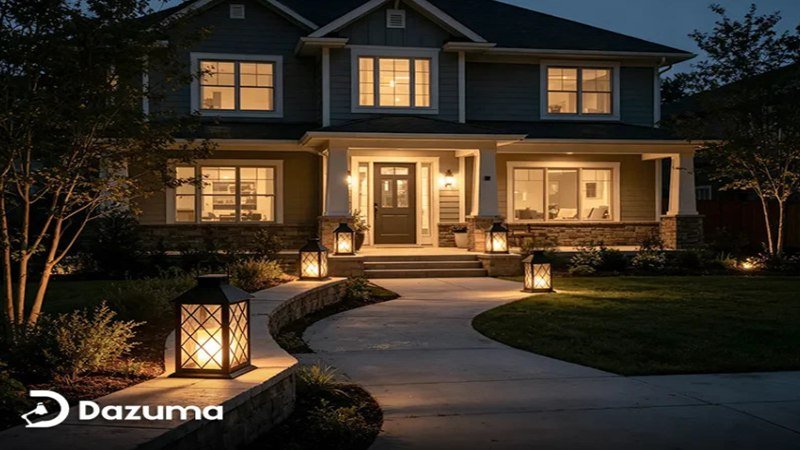
Outdoor lanterns can make entrances and family outdoor spaces feel more welcoming while providing useful evening illumination.
Start With the Front Door
The entrance is usually the best place to begin because it is one of the most frequently used areas after dark.
Good lighting around the front door can make it easier to see keys, packages, steps, house numbers, and visitors. It also helps guests understand immediately where they should go when arriving in the evening.
If the doorway is symmetrical, a pair of lantern-style wall lights positioned on either side can create a balanced appearance. Smaller entrances may work better with one fixture placed beside the door rather than trying to fit two into a narrow area.
Scale matters more than many homeowners expect. A lantern that looks substantial in a close-up product image may appear surprisingly small next to a large double door or wide porch. Before ordering, compare the fixture dimensions with the doorway and surrounding wall space.
Use Lanterns to Make the Porch Feel Like a Room
A porch is more than a transition between indoors and outdoors. For many families, it becomes a place to sit with coffee, talk with neighbors, watch children play, or unwind at the end of the day.
Lighting can help the porch feel more like an intentional living space.
Wall-mounted lanterns near the entrance may provide the main source of illumination, while a hanging lantern or ceiling fixture can add another layer where the porch is large enough.
The key is avoiding excessive brightness. A porch intended for relaxing usually feels more comfortable with several softer sources than one very bright exposed bulb.
Warm light can also help connect the porch visually with the warmly illuminated rooms inside the home.
Choose a Style That Works With the House
Outdoor lanterns come in many different forms, from traditional carriage-inspired fixtures to much cleaner contemporary designs.
The right choice depends on the architecture rather than simply which product is currently popular.
Traditional lanterns often work naturally with brick homes, cottages, farmhouse-style properties, and classic front porches. Black metal fixtures can also work well with modern homes when the shape is kept simple and geometric.
Homeowners comparing different outdoor lanterns can look at wall-mounted, hanging, post-style, and other exterior designs while considering how the finish and proportions relate to doors, windows, roofing, and other exterior details.
The fixture does not need to match every metal element on the property exactly. Repeating a similar finish across lighting, door hardware, railings, or window frames is often enough to make the exterior feel coordinated.
Think About What the Light Actually Illuminates
A beautiful fixture is only useful if the light reaches the area where it is needed.
Before installation, consider whether the lantern is meant to illuminate the doorway, porch floor, nearby steps, seating area, or surrounding wall.
Clear glass lanterns may allow more visible light from the bulb, while frosted or textured glass can create a softer effect. Some designs distribute light widely, while others direct it primarily downward.
There is no universally correct option. The best choice depends on where the fixture will be installed and what people need to see.
If the bulb itself is directly visible from normal eye level, also consider whether the fixture may produce uncomfortable glare.
Do Not Forget Side and Back Entrances
The front door gets most of the design attention, but many families use another entrance far more frequently.
A door leading from the garage, side yard, mudroom, or backyard may be the route everyone actually uses when coming home from school, work, or weekend activities.
These areas deserve dependable lighting too.
A lantern-style wall light can provide useful visibility without making a secondary entrance feel purely functional. It can also make it easier to unload groceries, find keys, bring pets inside, or check the area before opening the door.
Motion activation may be useful in locations that do not need continuous lighting throughout the evening.
Add Softer Light Around Outdoor Seating
Lanterns can also contribute to patios, decks, and other family gathering spaces.
Wall-mounted fixtures around the house can provide general illumination, while decorative lantern-style lights can help establish a warmer atmosphere near seating and dining areas.
Try to avoid placing every light source directly overhead. Lighting at several heights tends to make an outdoor space feel more relaxed and visually interesting.
If the seating area overlooks a garden, consider adding subtle lighting farther into the landscape as well. Otherwise, a bright patio surrounded by complete darkness may feel smaller once the sun goes down.
Check Outdoor Ratings Before Buying
Exterior lighting has to deal with conditions that indoor fixtures never encounter.
Depending on where the lantern is installed, it may be exposed to rain, humidity, irrigation, dust, direct sun, heat, cold, and seasonal weather changes.
Always confirm that the fixture is designed for outdoor use and appropriate for the specific location.
A lantern mounted beneath a deep covered porch may experience far less exposure than one attached to an open exterior wall. Fixtures in fully exposed locations generally need greater protection from moisture and weather.
The finish should also suit the local environment. Coastal air and frequent moisture, for example, can be more demanding on exterior metals than a dry inland climate.
Consider Maintenance Before Installation
Outdoor lights naturally collect dust, pollen, insects, and weather residue.
A highly detailed lantern may look beautiful, but it can require more cleaning than a simpler fixture with large flat surfaces. Glass panels may also need occasional cleaning to keep light output clear.
Before installation, make sure the fixture can be reached safely for cleaning and bulb replacement where applicable.
Nearby plants should also be considered. A small shrub that sits comfortably beneath a lantern today may grow enough to block the light or make maintenance difficult in a few seasons.
Use Timers and Sensors to Make Family Life Easier
One of the easiest ways to improve outdoor lighting is to reduce the number of times someone needs to remember a switch.
Timers or dusk-to-dawn controls can help ensure that frequently used entrances are illuminated during evening hours. Motion sensors can work well around garages, side doors, gates, and other areas where lighting is mainly needed when someone approaches.
Different areas do not need to follow the same schedule. Decorative porch lighting might stay on through the evening, while a side entrance can remain dark until motion is detected.
This keeps the lighting responsive to the way the family actually uses the property.
Avoid Turning the House Into the Brightest One on the Street
Outdoor lighting should improve visibility without overwhelming the surrounding environment.
Extremely bright fixtures can create glare, shine into neighboring windows, and make the darker areas around the house more difficult to see.
In many residential settings, lower-intensity warm lighting creates a more welcoming result.
After installing new lanterns, step across the street and look back at the house. Then check the fixtures from inside bedrooms and living rooms. This can reveal glare and excessive brightness that may not be obvious while standing directly beneath the light.
Final Thoughts
Outdoor lanterns can be a relatively simple home improvement, but thoughtful placement can make them work much harder.
Start with the entrances the family uses most, choose a fixture that suits the scale and architecture of the house, and pay attention to where the light is actually directed. Then consider porches, patios, side doors, and other areas where softer illumination can make evenings outside more comfortable.
The best outdoor lighting does not need to dominate the property. It should quietly make everyday routines easier while helping the home feel warm, safe, and welcoming when everyone returns at the end of the day.