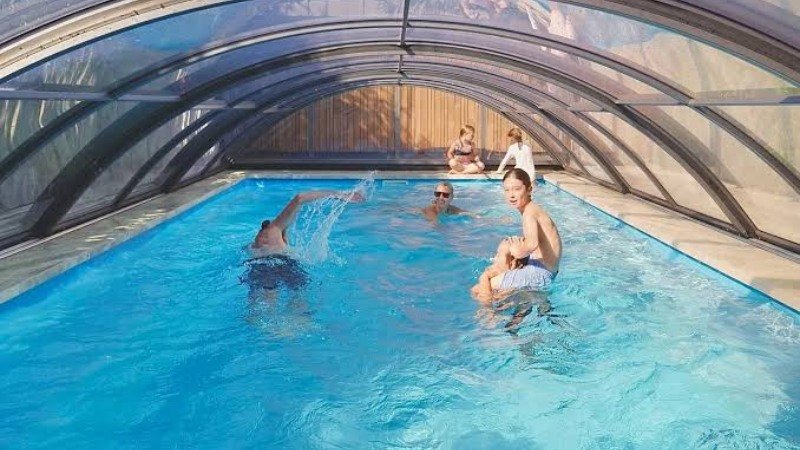
How Long Do Swimming Pool Enclosures Typically Last?
Swimming pool enclosures keep insects, leaves, and outdoor debris away from the pool while making the surrounding area more comfortable. Although they are built for long-term use, their lifespan depends on the frame, screen material, installation quality, climate, and maintenance.
In general, aluminum-framed swimming pool enclosures can last about 20 to 30 years with proper care. Screen mesh wears out sooner and may need replacement after roughly 7 to 15 years, especially in hot, humid, or storm-prone locations. Homeowners may therefore rescreen an enclosure once or twice before replacing the main structure.
Average Lifespan of Swimming Pool Enclosures
The frame and screen should be evaluated separately because they age at different rates.
Aluminum Frames
Aluminum is commonly used because it is lightweight, durable, and resistant to rust. A well-installed frame may remain serviceable for two or three decades. However, screws, anchors, brackets, and other connections can corrode, particularly in humid or coastal areas.
The protective finish may also fade, chalk, or peel after years of direct sunlight. These changes do not always mean the structure has failed, but they can indicate that restoration or a professional inspection is needed.
Screen Mesh
Screen panels normally require attention before the frame. Standard fiberglass screen may last around 7 to 10 years in demanding climates, while upgraded mesh may reach 10 to 15 years or longer. UV exposure, wind, pets, branches, lawn equipment, and material quality all affect durability.
A few torn panels can often be repaired individually. When the mesh becomes brittle, sags across several sections, or separates from the frame, complete rescreening may offer better value than repeated patches.
What Shortens an Enclosure’s Lifespan?
Several factors can reduce the life of swimming pool enclosures.
Sun, Rain, and Storms
Constant sunlight weakens mesh fibers and fades coated surfaces. Humidity, rain, and salt air can accelerate corrosion around screws and connection points. Strong wind may stretch loose screens, damage roof panels, or place extra pressure on the frame.
After a severe storm, inspect the enclosure even when damage is not immediately obvious. Bent beams, loose anchors, damaged fasteners, or shifted connections can worsen when left unrepaired.
Material and Installation Quality
Lower-cost mesh, basic screws, and thin coatings may reduce the initial price but can lead to earlier repairs. Heavy-duty screening, corrosion-resistant fasteners, and quality aluminum components generally provide better long-term performance.
Even premium materials can fail early when installed incorrectly. Poorly tensioned screens may sag, while improper anchoring can reduce stability. Professional installation helps ensure the enclosure is suitable for its size, location, and expected weather conditions.
Signs Your Pool Enclosure Needs Repair
Common warning signs include torn or brittle mesh, loose spline, sagging roof panels, rust stains around screws, peeling finishes, misaligned doors, bent framing, and gaps that allow insects inside.
Minor repairs usually make sense when damage is limited to a few panels, one door, or a small section of hardware. Full rescreening may be more economical when many panels fail at the same time. Structural replacement may be necessary when the frame is severely bent, anchors are loose, or major connections are compromised.
A professional inspection can determine whether the enclosure needs a small repair, hardware replacement, complete rescreening, frame restoration, or full replacement.
How to Make Swimming Pool Enclosures Last Longer
Routine care can add useful years to swimming pool enclosures. Rinse the frame and mesh periodically with clean water and mild soap. Avoid harsh chemicals, abrasive tools, and aggressive pressure washing that could damage the finish or loosen the screen.
Trim nearby branches, repair small tears quickly, and check door hardware, fasteners, and screen tension at least twice a year. Inspect the structure again after strong winds or major storms.
Replacing corroded fasteners before they damage surrounding components can improve stability and reduce frame stress.
When Should the Entire Enclosure Be Replaced?
Age alone should not determine replacement. A maintained 20-year-old structure may still be dependable, while a newer enclosure may require major repairs after storm damage or poor installation.
Consider the condition of the frame, repair frequency, safety, appearance, and total cost. If the structure remains straight and secure, rescreening and new hardware may restore years of use. If the frame shows widespread movement, deformation, or failing connections, replacement may be the safer investment.
Final Thoughts
Most swimming pool enclosures are long-lasting structures, but their individual parts age differently. Aluminum frames often provide 20 to 30 years of service, while screen panels commonly need replacement within 7 to 15 years.
Regular cleaning, prompt repairs, durable materials, and periodic inspections can help an enclosure reach the higher end of those ranges. By addressing small problems early, homeowners can protect their pool area, reduce debris, and postpone the cost of complete replacement.