How Families Typically Underestimate the Amount of Waste a Household Project Generates
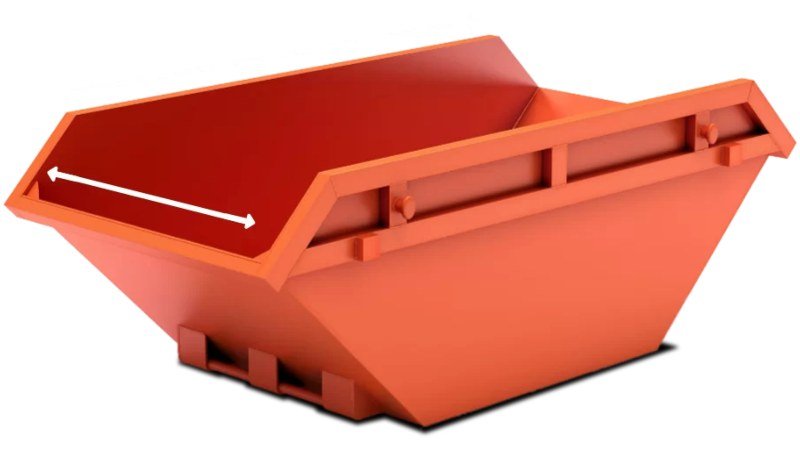
Many household projects begin with a simple expectation: remove a few unwanted items, complete some improvements, and clean everything up afterward. However, once work begins, families often discover that the amount of waste created is much greater than they originally imagined. Whether it is a renovation, major decluttering project, landscaping work, or a complete home refresh, the rubbish generated can quickly become difficult to manage. For larger jobs, many homeowners look at practical options such as Skip bin hire perth to help keep waste organised and make the process more efficient.
Why Waste Estimates Are Often Too Low
One of the main reasons families underestimate waste is that they usually focus on individual items rather than the total volume.
A single cupboard, room, or outdoor area may not seem like much when viewed separately. However, once everything is removed and combined, the amount of material can grow quickly.
This difference between expectation and reality often becomes clear only after the project starts.
Renovations Create More Than Just Visible Rubbish
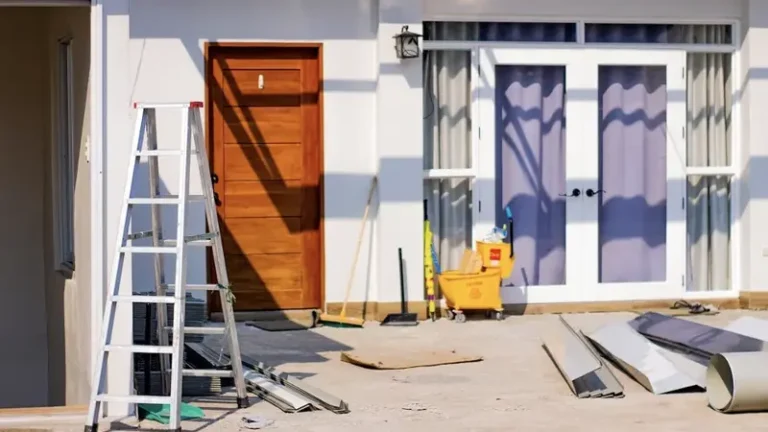
Home improvement projects often involve more waste than homeowners initially consider. Removing old features can reveal layers of materials that were not obvious beforehand.
A renovation may create waste from:
- old flooring
- damaged fixtures
- timber
- packaging
- broken fittings
- leftover construction materials
These materials can accumulate throughout the project and require proper planning.
Decluttering Can Become a Larger Task Than Expected
Many families begin decluttering with the intention of clearing a few areas. However, once storage spaces are opened, they often discover years of unused belongings.
Garages, sheds, wardrobes, and spare rooms can contain far more items than expected.
The challenge is not only deciding what to remove but also managing the resulting waste.
Why Household Storage Areas Create Surprises
Storage areas are often places where unwanted items remain untouched for long periods. Because these spaces are not always used daily, clutter can build up without being noticed.
When families finally clear these areas, they may find:
- old furniture
- outdated appliances
- damaged equipment
- boxes of unused items
The final amount of waste can be much larger than the original estimate.
Multiple Trips Are Not Always Practical
A common first plan is to remove waste gradually using a personal vehicle. While this may work for small amounts, larger household projects can make this approach time-consuming.
Repeated disposal trips can involve:
- loading and unloading effort
- extra travel time
- limited vehicle capacity
- delays to the main project
This is why many families consider more structured waste removal methods.
The Importance of Planning Waste Before Starting
Waste management is often easier when considered at the beginning of a project rather than at the end.
Families can estimate the type of materials involved, the likely volume of rubbish, and how much space will be available during the work.
Early planning helps avoid situations where waste starts affecting progress.
Different Projects Produce Different Types of Waste
Not every household project creates the same kind of rubbish. A garden cleanup, kitchen renovation, and full home clear-out all have different disposal requirements.
Understanding what will be removed helps homeowners choose a more suitable approach.
This makes the overall project more organised and predictable.
Keeping the Home Safer During Projects
Large amounts of waste can make a property harder to navigate. Piles of unwanted materials can reduce available workspace and create unnecessary obstacles.
Keeping rubbish contained helps maintain a cleaner and safer environment while the project is underway.
This is especially important when families are continuing to live in the home during improvements.
How Better Preparation Improves the Experience
Many homeowners learn that the success of a project depends on more than the actual work being completed. Organisation, scheduling, and waste management all influence the final outcome.
A clear plan reduces interruptions and allows families to focus on achieving their goals.
Making Future Projects Easier to Manage
After completing a large household project, many families become more aware of the importance of waste planning.
They understand that removal is not just the final step — it is part of the overall process.
This change in thinking helps make future renovations, cleanouts, and upgrades more manageable.
Final Thoughts
Families often underestimate how much waste a household project can generate because they focus on the visible work rather than the full process. Once materials, unwanted belongings, and hidden clutter are removed, the volume can increase significantly.
By planning waste removal early and choosing a suitable approach, homeowners can keep projects more organised, reduce stress, and create a smoother path from beginning to completion.