Minimalism vs. Longevity: Balancing Design and Durability
Clean lines, open spaces, and a lack of clutter have become the gold standard of modern living. When we walk into a space that feels light and airy, there is an immediate sense of calm. This minimalist movement isn’t just about owning fewer things; it is about choosing quality over quantity and allowing the structure of a building to speak for itself. However, for a property owner, the challenge often lies in the gap between a beautiful photograph and the daily reality of living in and maintaining such a space. A minimalist home looks effortless, but keeping it that way requires a strategic approach to property care and a deep understanding of how materials age over time.
Where Innovation Meets Practicality
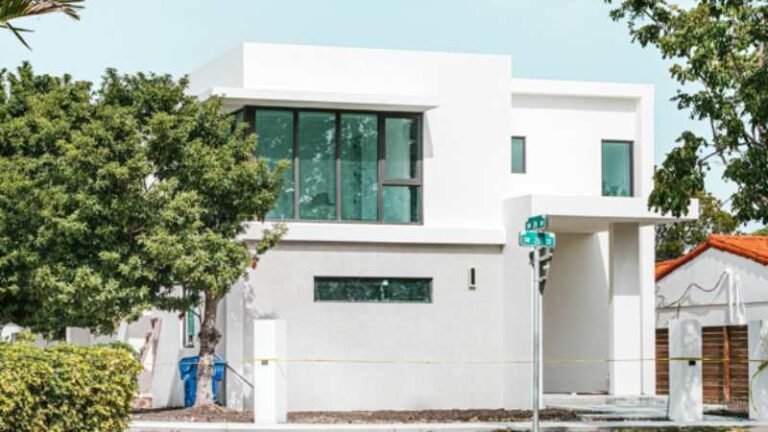
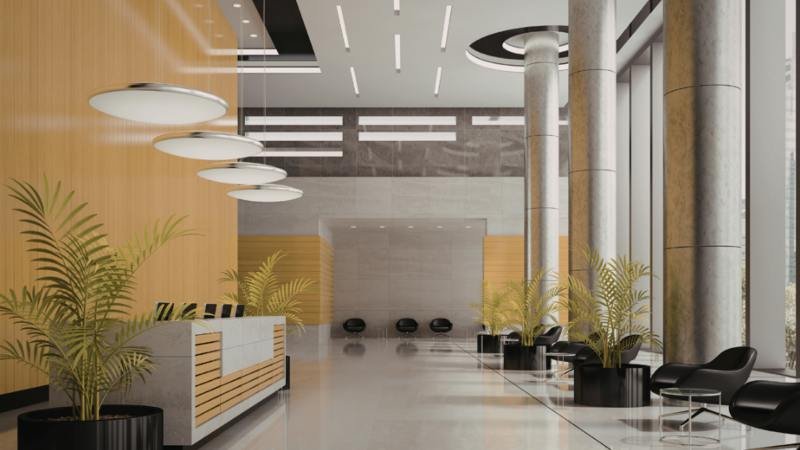
The push for simpler, more functional spaces has led to incredible breakthroughs in the industry. Today, leading architectural studios are constantly experimenting with hidden storage, seamless surfaces, and integrated technology to maintain that “bare” look. This wave of innovative architecture has transformed how we perceive luxury, moving away from ornate gold leaf toward the raw beauty of exposed concrete, vast glass panes, and natural timber. While these designs are breathtaking, they often strip away the traditional “buffer zones”, like baseboards or crown moldings, that used to hide minor imperfections or wear and tear. In a minimalist setting, every scratch on the floor or smudge on the wall is magnified, making professional upkeep more important than ever.
Choosing Materials That Can Age Gracefully
The secret to a successful minimalist property is not just the design, but the durability of the materials selected. If you choose a high-gloss white floor for a high-traffic hallway, you are signing up for a lifetime of visible footprints. On the other hand, selecting a matte, high-quality stone or a treated hardwood allows the space to retain its clean look while being much more forgiving. Longevity is found in the details that guests don’t usually notice: the quality of the sealants used on stone countertops, the UV protection on floor-to-ceiling windows, and the precision of the hardware on handle-less cabinets. When the design is simple, the quality of execution must be flawless to prevent the home from looking “tired” after just a few years.
The Maintenance Behind the Minimalist Mask
Maintaining a minimalist property is less about deep cleaning and more about precision and prevention. Because there is no “clutter” to hide behind, the structural health of the building becomes the focal point. This means that proactive care—such as checking the seals on large glass facades or ensuring the climate control system is perfectly balanced to prevent wood expansion is vital. Dust and grime show up much faster on flat, unadorned surfaces. Regular, professional attention ensures that the sharp edges and clean transitions that define the style remain as crisp as the day they were finished. It is about preserving the “newness” of the design through consistent, expert monitoring rather than waiting for something to visibly fail.
Investing in Lasting Value
Ultimately, balancing modern design with durability is a financial strategy. A property that looks stunning but falls apart quickly is a liability, not an asset. By focusing on longevity during the maintenance phase, owners can enjoy the best of both worlds: an cutting-edge aesthetic that stands the test of time. Minimalism should feel liberating, not like a chore. When you partner with a dedicated property care team, you delegate the technical burden of preserving those delicate architectural details. This allows you to live in a space that remains a masterpiece of design, ensuring that your investment continues to grow in value and beauty long after the initial construction is complete.