What Age Can You Get Contacts and What Causes Short Sightedness?
Clear vision is a fundamental part of daily life, influencing how we learn, work, and interact with the world. When visual clarity begins to decline, whether in children, teenagers, or adults, exploring corrective solutions becomes a top priority. Parents often ask questions regarding their children’s readiness for optical alternatives, particularly wondering what age can you get contacts and seeking to understand short sightedness causes to make informed decisions for their family’s eye care.
The question of readiness for contact lenses is rarely about age alone. From a biological standpoint, the eye can safely wear lenses at almost any age, provided there are no underlying health issues. In medical practice, optometrists evaluate a young patient’s maturity, hygiene habits, and personal responsibility rather than focusing solely on their date of birth. Many children as young as eight to ten years old successfully wear and care for daily disposable lenses. If a child can reliably follow personal hygiene routines, such as washing hands without continuous prompting, they are likely ready to transition away from traditional frames.
There are compelling reasons why young people prefer contact lenses over eyeglasses. Active involvement in physical education, outdoor sports, and extracurricular pursuits often makes glasses impractical. Frames can slip due to perspiration, fog up during temperature changes, or break upon impact, potentially causing facial injuries. Corrective lenses sit directly on the cornea, eliminating movement and providing an unrestricted peripheral view that enhances spatial awareness and safety during athletic activities.
Additionally, understanding the underlying reasons for visual changes helps in managing long-term eye health. Myopia, or short-sightedness, is a common condition where near objects are seen clearly, but distant objects appear blurry. This occurs when the eyeball grows slightly too long from front to back, or when the curvature of the cornea is overly steep. As a consequence, light entering the eye focuses in front of the retina instead of directly on its surface.
Genetics plays a major role in the development of short-sightedness. Children with one or both parents affected by the condition have a significantly higher likelihood of developing it themselves. However, environmental factors and modern lifestyle habits have contributed to a noticeable rise in myopia cases globally. Spending long hours performing close-up work, such as reading, studying, or viewing digital screens on smartphones and tablets, increases visual strain. Furthermore, reduced time spent playing outdoors in natural sunlight has been linked to faster progression of myopia in developing eyes.
To address refractive challenges and slow down myopia progression in young patients, eye care professionals recommend tailored correction strategies. Daily disposable options are particularly suited for younger wearers because they eliminate the need for cleaning solutions and storage cases. Each day starts with a fresh, sterile pair, minimizing deposit buildup and reducing infection risks. Leading brands like ACUVUE design lenses with high oxygen permeability and built-in moisture technology, ensuring long-lasting comfort throughout school days and sports practices.
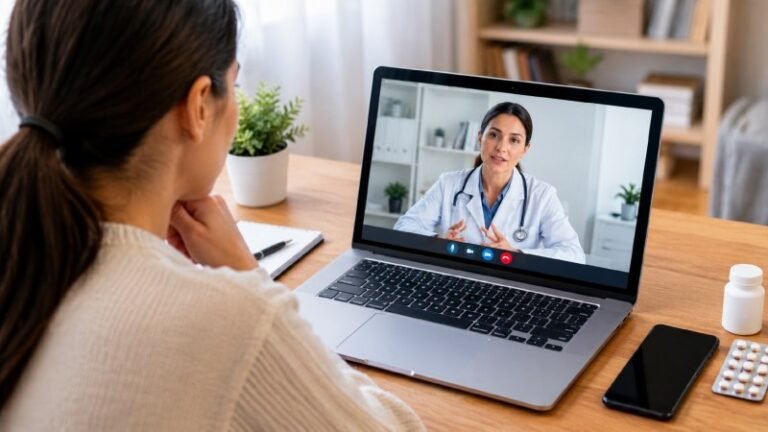
Parents considering visual correction for their children should schedule a comprehensive eye exam with an eye care professional. During the consultation, the specialist will evaluate corneal curvature, tear production, and overall visual acuity while guiding both parent and child through the application and removal process. Encouraging good habits, limiting unnecessary screen time, and choosing trusted products from ACUVUE ensure that growing eyes enjoy healthy, comfortable, and vibrant vision for years to come.