
Is a Diaper Pail Worth It? What Parents Should Know First
Few baby items split opinion like the humble trash can for dirty diapers. Some parents swear that life without one is unbearable by week two. Others tie off each diaper, drop it in the kitchen bin, and never think about it again. Both camps are right for their own homes, which makes it hard for a new parent to know where they belong.
The decision usually comes down to a few practical questions. How many diapers will you handle each day? Where would the pail sit? How sensitive is your household to smell? How much effort are you willing to spend on bags and refills? This article answers those questions in order. It explains what a pail does, where it makes the biggest difference, what to compare when you choose one, and how to tell if you can skip it. By the end you should be able to make the call without second-guessing it.
What a Diaper Pail Actually Does
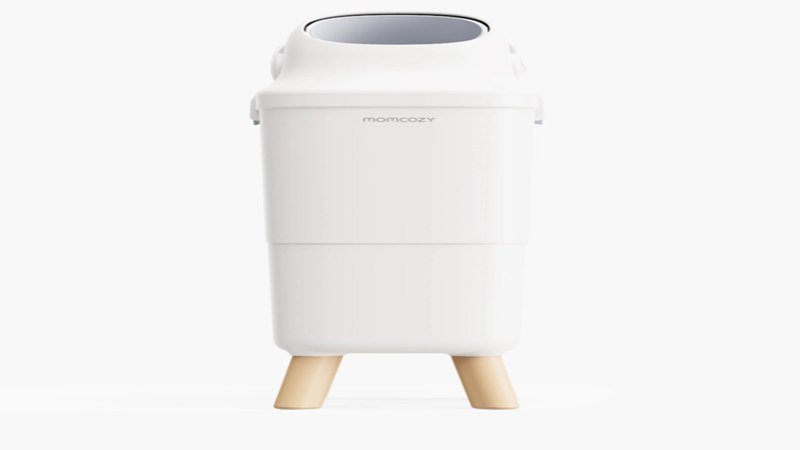
A diaper pail is a sealed container designed to hold used diapers and keep their smell contained until you empty it. Unlike a standard trash can, it uses a lid, a gasket, or a layered seal to block odor from reaching the room. Many also hold a long bag or liner, so you can store several days of diapers and take them out in one trip.
That sounds simple, but it solves two real problems. First, it keeps the nursery or bathroom from smelling like the contents of the last change. Second, it removes the need to run to the outside bin after every diaper. In the newborn weeks, when you change a diaper many times a day and rarely have free hands, that second benefit often matters more than the first.
What a pail does not do is eliminate smell entirely. Everything inside still decomposes, and even a good seal will release some odor when you open it. Think of it as a way to manage the problem rather than make it vanish.
It also helps to think about the full cycle, from the diaper going in to the bag going out. A pail that seals well but is awkward to empty will end up neglected, and a neglected pail smells worse than an open bin. The best design is the one that makes the whole process easy enough that you do it on time.
Where the Real Difference Shows
The answer to whether a pail is worth the space usually appears in the first month. Newborn diapers are frequent and, with breast milk or formula, particularly pungent. If you live in a small apartment, in a warm climate, or in a home where the kitchen sits next to the changing area, odor builds up quickly and spreads. A sealed container makes a visible difference in those situations.
Once solid foods begin, the smell gets stronger again. Many parents who skipped a pail early on buy one at that stage, because tying a bag and carrying it outside is no longer enough. Daycare drop-offs, multiple children in diapers, and long stretches between trash days all raise the value of a dedicated container as well.
Where the benefit is smaller: a house with an outdoor bin steps from the changing table, a baby who is almost potty trained, or a household that takes the trash out several times a day anyway. In those cases, a small lidded bin and a roll of scented bags can do a reasonable job at lower cost and with less hassle.
Questions to Ask Before You Choose
Not all pails work the same way, and the right one depends on how you live. These questions help narrow the choices.
How Much Room Do You Have?
Measure your changing area before you shop. A pail that looks compact online can tower over a small nursery shelf or block a closet door. Think about the footprint and the height, and make sure the lid can open fully without hitting a wall or cabinet. If you will move it between rooms, check that it is easy to carry.
How Easy Is It to Use With One Hand?
You will almost always have a baby in the other arm. Look for a lid you can open with a foot pedal or a gentle push, and one that closes firmly on its own. A pail that needs two hands or a twist-and-lock motion becomes frustrating within days. Test the mechanism if you can, since a smooth action matters more than almost any other feature.
What Will Refills and Cleaning Involve?
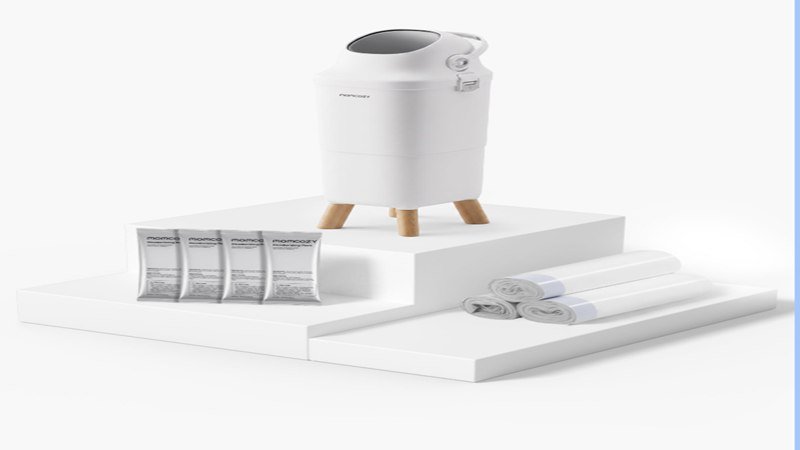
Some designs take standard trash bags, while others rely on a particular liner. Think about how often you will need to buy supplies, whether they are easy to find, and how simple it is to change the bag without touching the contents. Odor-absorbing packs can help between emptying, and a removable inner bucket makes washing far easier. A pail you can clean thoroughly stays fresher for much longer.
Where to Put It and How to Keep It Fresh
Placement affects how well a pail works. Putting it next to the changing station lets you dispose of diapers immediately, which reduces the time they spend exposed in the room. Keep it away from direct sunlight and heat sources, because warmth speeds up odor. A spot near an open window or in a ventilated room can help the smell disperse when you do open the lid.
A few habits make a big difference:
- Roll or fold each diaper tightly before it goes in.
- Empty the pail every few days, even if it is not full.
- Wipe the lid and rim with a mild cleaner each time you change the bag.
- Replace odor-absorbing refills on schedule.
Brands such as Momcozy make pails with sealed layers and refill options aimed at busy parents, but the same routine applies whichever one you choose. Even the best seal will struggle if the contents sit for a week.
When You May Not Need One
If your trash is emptied daily, you have an outdoor bin close by, or you are using cloth diapers with a separate wet bag, a dedicated pail may add little. A simple lidded bin with a tight bag can do the job, and you can always upgrade later if the smell becomes a problem.
One practical approach is to wait two or three weeks. Watch how your household handles the volume and the odor, then decide. Most parents know quickly whether the existing setup is working. If you find yourself carrying bags out at midnight or smelling the nursery from the hallway, that is a clear sign a pail would help.
A Cleaner Nursery Starts With a Simple Decision
A pail earns its place when diaper volume is high, space is tight, or the trash is far away. It matters less when you can dispose of diapers quickly and the home has good ventilation. Weigh your own routine before you buy, and focus on a few traits: a reliable seal, a lid you can use with one hand, supplies that are easy to get, and parts that clean without a struggle.
Start simple, pay attention to how things go in the first few weeks, and adjust if odor or effort becomes a problem. The best choice is the one you will actually use every day without thinking about it.