
Simple Strategies for Maintaining Healthy, Comfortable Skin
For people in Traverse City, maintaining healthy skin can require some adjustment as weather conditions shift throughout the year. Cold air, indoor heating, sunshine, wind, and changing humidity can all affect how skin looks and feels. However, supporting skin health does not require an overflowing bathroom cabinet or a complicated routine. Consistent cleansing, moisturizing, sun protection, and sensible use of targeted products can form a strong foundation. Professional skincare can provide additional support when appropriate, but everyday habits remain important. The key is understanding your individual skin, responding when its needs change, and avoiding the temptation to introduce every new product or treatment at once.
Consider Professional Care for Specific Skin Concerns
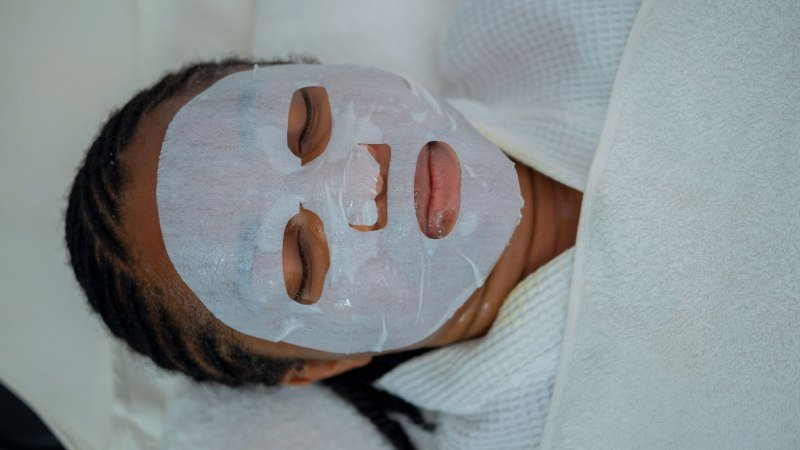
Home skincare provides the foundation for maintaining your skin, but there may be times when professional treatments can complement your regular routine. Facials, for example, can combine cleansing, exfoliation, masks, moisturizing products, and other steps according to particular skincare goals.
Rather than selecting a treatment simply because it is popular, consider what you actually want to address. If you’re seeking a custom facial Traverse City offers some great options, particularly for concerns such as dryness, dullness, large pores, or congested skin. Personalized treatments can be adjusted according to individual needs instead of taking an identical approach to every client.
Professional care works best as a complement to consistent habits at home. An occasional treatment cannot compensate for routinely neglecting cleansing, moisturizing, or sun protection.
Learn to Recognize What Your Skin Needs
Skincare becomes considerably easier when you understand how your skin normally behaves.
Pay attention to how it feels after cleansing and throughout the day. Persistent tightness or flaking may suggest that your current routine is too drying, while excessive oiliness could mean your products or habits need reconsideration. Redness and irritation can also signal that something is not working well.
Avoid diagnosing every change yourself, especially when a problem is persistent or worsening. Acne, rashes, unexplained irritation, changing growths, or other concerning symptoms may require evaluation by an appropriate healthcare professional.
When experimenting with ordinary cosmetic products, introduce them gradually. Changing your cleanser, moisturizer, serum, toner, exfoliant, and sunscreen simultaneously makes it difficult to identify what caused an improvement—or an unpleasant reaction.
Your skin provides information constantly. A useful routine starts with paying attention to it.
Keep Your Cleansing Routine Gentle
Cleansing is fundamental because it helps remove accumulated oil, makeup, sunscreen, dirt, and other material from the skin.
That does not mean your face needs aggressive scrubbing.
A cleanser should leave skin feeling clean and comfortable rather than painfully tight. Extremely harsh cleansing can be counterproductive, particularly for people already experiencing dryness or sensitivity.
Use comfortable water temperatures instead of excessively hot water, and avoid scrubbing simply because you associate friction with cleanliness.
Your routine may also depend on what you wear during the day. Makeup and certain sunscreens may require more thorough removal than a very simple daytime routine.
Consistency matters more than turning cleansing into an elaborate ceremony. Once skin is clean, you have a better foundation for applying moisturizer or other products suited to your needs.
Make Moisturizing Part of Everyday Care
Moisturizer is not reserved exclusively for visibly dry skin.
Appropriate moisturizing can support the skin barrier and help keep skin feeling comfortable. The ideal formulation depends on individual preferences and needs. Some people enjoy lightweight products, while others prefer richer creams.
Your preferred moisturizer may also change during the year. Environmental conditions, indoor heating, air conditioning, and lifestyle changes can affect how dry or comfortable your skin feels.
Consider your hands and other exposed areas as well. Frequent washing and environmental exposure can leave them feeling dry even when your facial skin seems perfectly comfortable.
If a moisturizer repeatedly causes burning, itching, redness, or another unwanted reaction, stop assuming your skin simply needs to “get used to it.”
Skincare products are supposed to support your routine. Enduring unnecessary discomfort is not evidence that a product is working harder.
Treat Sun Protection as a Regular Habit
Sun protection is one of the most important considerations in a well-rounded skincare routine.
Ultraviolet exposure can occur during ordinary outdoor activities, not just during vacations or long afternoons beside a pool. Appropriate sunscreen, protective clothing, hats, shade, and thoughtful timing can all contribute to reducing unnecessary exposure.
Follow sunscreen directions carefully, including instructions concerning application and reapplication.
Certain skincare products or professional treatments may also affect sun sensitivity. When that applies, follow any instructions provided by a qualified professional or the product manufacturer.
Remember that cool temperatures do not necessarily mean ultraviolet exposure is irrelevant. Sunshine does not check the thermometer before reaching your skin.
A sensible approach is not about hiding indoors. Sun protection simply allows you to enjoy outdoor activities while taking reasonable steps to care for your skin over the long term.
Avoid Overdoing Exfoliation
Exfoliation can have a place in skincare, but enthusiasm can quickly become excessive.
Professional facials commonly incorporate exfoliation as one stage within a broader process that may also include cleansing, steam, impurity removal, masks, moisturizers, and massage.
At home, people may use physical exfoliants or products containing exfoliating ingredients.
Problems can arise when multiple methods are combined too frequently.
More exfoliation does not automatically produce healthier-looking skin. If your routine leaves your face persistently irritated, uncomfortable, or unusually sensitive, reconsider how many exfoliating products you are using.
Follow directions rather than increasing frequency in an attempt to accelerate results. Introduce new active ingredients individually so you can monitor how your skin responds.
Skincare should generally involve supporting the skin rather than constantly challenging it to survive your latest experiment.
Remember That Lifestyle Habits Matter Too
Skin health does not exist separately from general well-being.
Nutrition, hydration, sleep, stress management, smoking, and other lifestyle factors can influence overall health. Instead of searching for a single food or supplement promising perfect skin, focus on sustainable habits that support your body more broadly.
Eat a varied, balanced diet that provides appropriate nutrition. Stay adequately hydrated according to your individual needs, activity level, and environment.
Sleep deserves attention too. Maintaining a reasonably consistent sleep schedule can support overall wellness and make healthy routines easier to maintain.
Stress management is equally personal. Physical activity, hobbies, relaxation techniques, social connection, and professional support where appropriate can all contribute to well-being.
None of these habits guarantee flawless skin, and flawless skin is not a realistic health objective anyway.
The more useful goal is supporting your body consistently rather than chasing cosmetic perfection through increasingly complicated solutions.
Adjust Your Routine When Circumstances Change
A skincare routine should never become so rigid that you continue following it when your skin clearly needs something different.
Weather changes, aging, medications, hormonal changes, travel, professional treatments, and lifestyle adjustments can all influence your skin. A lightweight moisturizer that feels perfect during one period may feel insufficient later. An active ingredient you previously tolerated may become unnecessary when other products change.
Review your routine periodically and ask whether every step still serves a purpose.
Simplification can sometimes be more useful than adding another product. A basic routine built around gentle cleansing, appropriate moisturizing, and sun protection provides a manageable foundation that can be adjusted according to individual needs.
Professional treatments can provide additional options for people interested in addressing particular cosmetic concerns, but they should remain part of a broader approach to skin care rather than becoming its entire foundation.
Most importantly, recognize when a concern belongs in a medical setting. Persistent, painful, rapidly changing, or otherwise worrying skin problems deserve appropriate professional evaluation rather than endless product experimentation.
Healthy skin does not require perfection. It requires consistency, attention, and a willingness to adjust. By keeping everyday care manageable, protecting your skin from unnecessary environmental stress, and making thoughtful choices about products and treatments, you can build a routine that remains practical enough to follow over the long term.