How Families Typically Coordinate Waste Removal When a Home Project Grows Beyond One Trip to the Tip
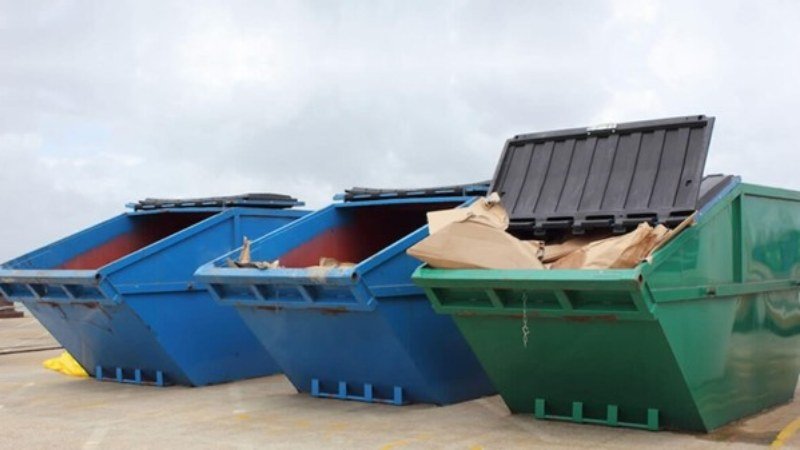
Many home projects begin with the expectation that waste removal will be simple. A few trips to the local tip may seem manageable during the planning stage, but renovations, cleanouts, and landscaping work often create more rubbish than families first expect. Once the volume increases, homeowners usually start looking for more organised solutions, including options such as skip bin hire Adelaide, to make waste management easier and keep the project moving.
Why Small Waste Plans Often Become Bigger Challenges
A project may start with a clear idea of what needs to be removed, but the amount of waste can quickly grow once work begins.
Renovations can uncover additional materials, cleanouts may involve more stored items than expected, and outdoor projects often create large amounts of green waste.
What seemed like a few simple loads can turn into repeated trips, extra time, and more effort than originally planned.
The Reality of Multiple Trips to the Tip
Many families initially handle waste by loading vehicles and making disposal runs themselves. This approach can work for smaller jobs, but larger projects often make the process less practical.
Multiple trips can involve:
- extra fuel costs
- time away from the main project
- loading and unloading effort
- limited vehicle capacity
As waste continues to build up, families often realise they need a more efficient method.
When Waste Management Becomes Part of Project Planning
A common change in approach happens when families start including waste removal in the early stages of planning.
Instead of waiting until rubbish becomes overwhelming, they consider how much waste the project may create and how it will be handled.
This allows the work area to remain organised and reduces interruptions throughout the project.
How Families Estimate Their Waste Needs
Before arranging disposal, homeowners often consider the type and amount of materials involved.
Factors that may influence planning include:
- size of the renovation
- amount of furniture or household items being removed
- construction materials involved
- length of the project
- available space at the property
Understanding these details helps families choose a solution that matches their situation.
Keeping the Work Area More Manageable
One of the biggest benefits of organised waste removal is maintaining a cleaner project environment.
Piles of unwanted materials can take up valuable space, make movement difficult, and slow down progress.
Having a dedicated place for waste allows families to focus on completing the actual work instead of constantly moving rubbish around.
Why Larger Projects Need Better Coordination
Home projects often involve multiple stages, and waste can appear throughout the entire process. Demolition, repairs, installation, and final clean-up may each create different types of rubbish.
Coordinating disposal around the project timeline helps prevent waste from becoming a major obstacle.
Good planning makes the overall experience smoother.
The Importance of Choosing a Practical Waste Solution
Every project has different requirements. A small decluttering job may need a different approach compared with a full renovation.
Families often consider:
- available property space
- expected waste volume
- type of materials
- how long the project will run
This helps create a waste management plan that fits the actual needs of the household.
Reducing Stress During Home Improvements
Renovations and cleanouts already involve many decisions, from materials to schedules and budgets. Managing excessive waste can add unnecessary pressure if it is not planned properly.
A structured disposal approach allows homeowners to spend more time focusing on the improvements they want to make.
Better organisation often leads to a more positive project experience.
Learning From Past Projects
Many families discover the importance of proper waste planning after completing a larger-than-expected job. A project that once seemed manageable can highlight how quickly rubbish accumulates.
This experience often changes how homeowners approach future renovations or property cleanups.
They become more prepared and consider waste removal as an essential part of the process.
Final Thoughts
When a home project grows beyond one trip to the tip, families often need a more organised way to manage waste. What begins as a simple disposal task can become a major part of keeping the project efficient and controlled.
By planning ahead and choosing a suitable waste solution, homeowners can reduce disruption, maintain cleaner spaces, and handle larger projects with greater confidence.